
Industrial work is part of daily life across Coastal Texas. From oil and gas facilities to refineries, shipyards, and chemical plants, thousands of workers keep these operations running. But when safety measures break down, even for a moment, the consequences can be life-changing. Understanding the most common industrial safety failures in Coastal Texas can help workers and their families recognize warning signs and know what steps to take if an injury occurs.
If you or a family member has been hurt in an industrial setting, reach out to Williams Attorneys now.
Use the online contact form or call (361) 866-5535 for immediate guidance from a legal team familiar with workplace injuries.
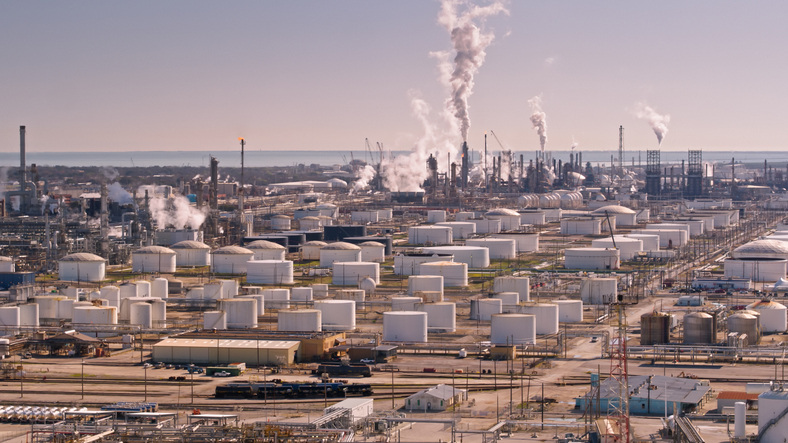
Why Industrial Sites in Coastal Texas Carry Higher Risks
Coastal Texas is home to many heavy-industry operations. These environments often involve large equipment, chemicals, high heat, and fast-moving processes. While safety rules are meant to prevent injuries, gaps in training, supervision, or equipment maintenance can create serious danger.
Some factors that increase risk include:
- Hot and humid weather that affects machinery
- Corrosion from salt air
- Long shifts and worker fatigue
- Heavy machinery working near flammable materials
- Pressure to maintain production schedules
These conditions make it even more crucial for employers to adhere closely to safety standards.
Common Industrial Safety Failures in Coastal Texas
Industrial accidents rarely happen without a cause. In many cases, injuries occur because someone failed to fix a known problem, follow safety guidelines, or properly train workers. Understanding these failures can help injured workers recognize what may have gone wrong.
1. Poor Maintenance of Equipment and Machinery
Industrial machines require regular inspections and repairs. When companies fail to maintain their equipment, it can break or malfunction.
Examples include:
- Worn-out parts that snap under pressure
- Electrical systems that short out
- Valves or pipes that leak
- Heavy equipment with faulty brakes or controls
Even a minor malfunction can cause explosions, fires, falls, or crushing injuries.
2. Inadequate Worker Training
In high-risk environments, workers must understand how to use tools, machinery, and safety gear correctly. Lack of training is one of the most common industrial safety failures in Coastal Texas.
Training gaps might include:
- Not showing workers how to shut down equipment in an emergency
- Failing to explain chemical hazards
- Allowing new workers to operate machinery without supervision
- Not offering refresher training for long-time employees
When workers are unprepared, mistakes happen—and those mistakes can lead to serious harm.
3. Lack of Proper Safety Gear
Personal protective equipment (PPE) is essential. It reduces risk from chemicals, heat, debris, and noise. But some employers fail to provide enough gear or replace damaged equipment.
Missing or unsafe PPE can include:
- Old or cracked helmets
- Worn-out gloves
- Protective suits with tears
- Masks that do not seal properly
- Missing eye or ear protection
Without the correct gear, even a minor hazard can result in a major injury.
4. Ignoring Chemical Safety Standards
Many industrial sites store or use chemicals on a daily basis. When safety rules are ignored, leaks or reactions can cause burns, lung injuries, or explosions.
Common chemical failures include:
- Storing chemicals improperly
- Not labeling hazardous substances
- Allowing workers to mix chemicals without guidance
- Failing to ventilate enclosed workspaces
A single chemical mistake in a refinery or plant can put an entire crew at risk.
5. Unsafe Work Areas and Cluttered Job Sites
Industrial areas must stay organized. Clutter and disorganization increase the risk of workers slipping, tripping, or getting caught in machinery.
Unsafe conditions may include:
- Tools left on walkways
- Spills that are not cleaned up
- Loose electrical cords
- Materials stacked too high or too close to equipment
Even small obstacles can cause serious accidents when workers move quickly or operate large machinery.
6. Pressure to Rush Work or Skip Safety Steps
Industrial companies sometimes operate under strict deadlines. When supervisors encourage workers to “keep things moving,” corners may be cut.
This pressure can lead to:
- Skipping equipment checks
- Ignoring safety procedures
- Working too fast to notice hazards
- Taking shortcuts to save time
Rushing increases the chance of accidents, especially in dangerous environments.
How Catastrophic Injuries Happen in Industrial Settings
When safety failures stack up, catastrophic injuries become more likely. These injuries can change a person’s life in seconds.
Examples include:
- Severe burns from fires or explosions
- Crushing injuries from heavy machinery
- Electrocution
- Amputations
- Traumatic brain injuries
- Spinal injuries leading to mobility loss
Many of these injuries require long-term medical care and may make it difficult—or impossible—to return to work.
What to Do After an Industrial Accident
Acting quickly after an accident can help protect both your health and your future.
Here are steps that can help:
1. Seek Medical Care Immediately
Even if injuries seem minor, internal damage may not be obvious. A doctor can identify issues that might worsen later.
2. Report the Accident
Tell a supervisor or manager as soon as possible. Keep a copy of any accident report.
3. Document Everything
Try to preserve details such as:
- Where the accident happened
- What equipment was involved
- Who witnessed the event
- Any unsafe conditions you noticed
Photos can be helpful if you or someone else can take them.
4. Avoid Giving Recorded Statements to Insurance Adjusters
Insurance companies may reach out quickly. It’s okay to be polite, but you do not have to give a recorded statement without legal guidance. Saying the wrong thing could affect your future claim.
5. Contact a Legal Team Familiar With Industrial Injuries
Industrial accidents often involve large companies, multiple contractors, and complex safety rules. Getting guidance early helps ensure that your rights and your recovery stay protected.
For more information about industrial and workplace injuries, you can read more on this workplace injuries page.
How a Legal Team Helps After an Industrial Accident
A legal team can help injured workers understand what caused the accident and whether safety failures played a role. Many families feel overwhelmed by medical bills, lost income, and pressure from employers or insurance companies. Having someone to guide the process can bring much-needed clarity and direction.
Legal guidance may include:
- Reviewing safety records
- Understanding equipment maintenance logs
- Speaking with witnesses
- Identifying whether safety steps were skipped
- Helping organize medical records
- Communicating with insurance companies
When injuries are severe, having support can make the process easier to face.
Corpus Christi Workplace Injury Lawyers
Industrial injuries can feel overwhelming, especially when they involve long-term medical needs or unsafe workplace conditions. You don’t have to handle everything alone. The team at Williams Attorneys is available to help you understand your rights and guide you through the next steps.
Reach out through the online contact form or call (361) 866-5535 to speak with someone who can guide you. For more on workplace and industrial accidents, visit the firm’s workplace injuries page.