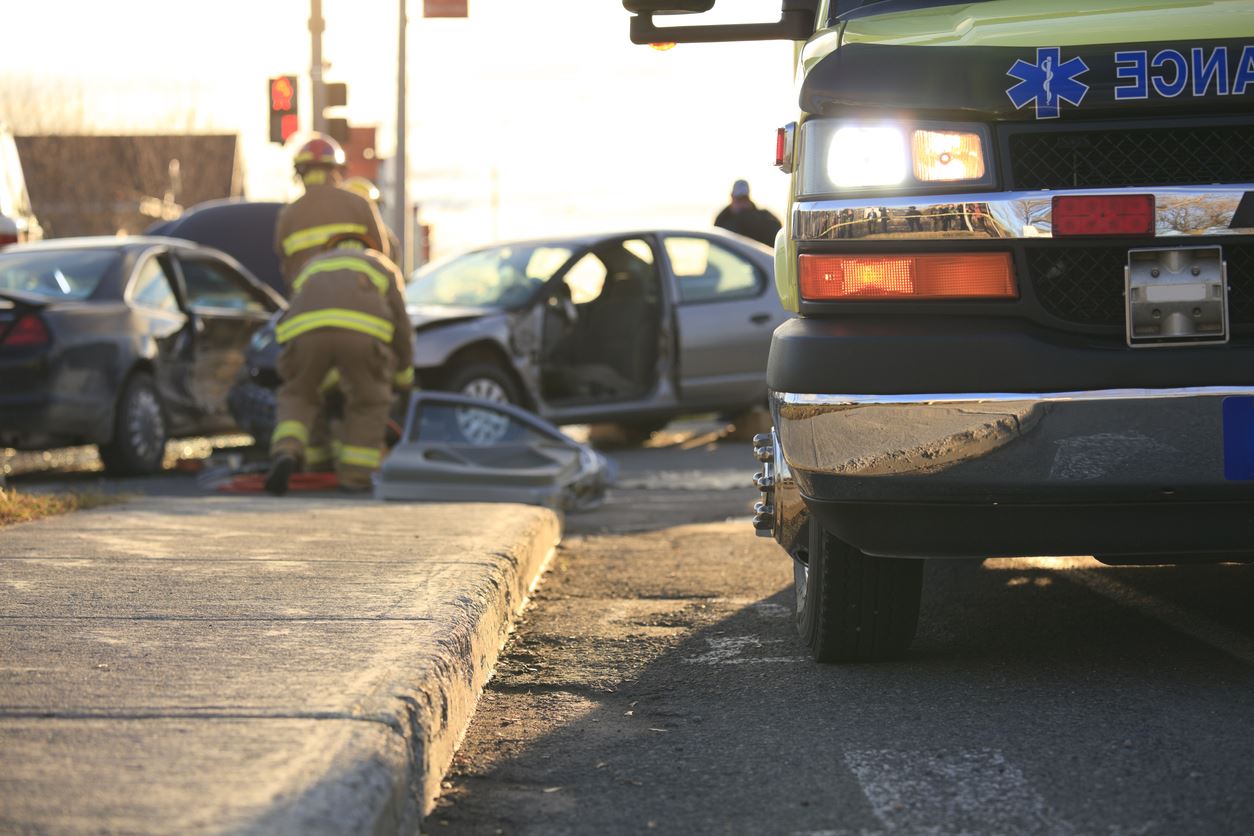


Car crashes—even those that seem minor—can leave people with injuries that aren’t immediately obvious. Many types of internal trauma don’t show symptoms right away. Shock, adrenaline, and mild early signs can mask what may become serious medical problems in the days that follow. Understanding what to look for can help protect long-term health and safety.
If any delayed symptoms appear after a vehicle collision, contact Williams Attorneys immediately.
For fast help, reach out through the online contact form or call (361) 866-5535. Acting early can make a meaningful difference in your recovery.
Why Internal Trauma After a Crash Isn’t Always Obvious
Many people assume they would feel pain or notice something wrong right away after an accident. But the body’s stress response can hide internal trauma for hours—or even days. After a crash, the brain releases chemicals like adrenaline that help the body stay alert. These chemicals can numb pain and delay the appearance of warning signs.
Even when symptoms appear, they may seem mild at first. A small bruise, light headache, or minor dizziness can make it easy to ignore more serious issues beneath the surface.
Common reasons symptoms are delayed include:
- Shock or adrenaline masking pain
- Swelling that takes time to develop
- Internal bleeding that worsens over hours
- Damage to organs or soft tissue that becomes more noticeable later
- Whiplash symptoms that gradually increase
Common Types of Internal Injuries After a Crash
Internal injuries look different for every person. Some are related to impact from the seat belt or steering wheel. Others may come from sudden movement—like the body being thrown forward and back.
Here are some of the most common forms of internal trauma after a crash.
1. Internal Bleeding
This occurs when blood vessels inside the body are damaged. A person may not realize it at first because the bleeding can be slow.
Possible signs include:
- Feeling faint or dizzy
- Abdominal pain
- Bruising that spreads or becomes darker
- Weakness or unexplained fatigue
2. Organ Damage
Organs such as the liver, kidneys, lungs, and spleen can be injured on impact. Even minor injuries may worsen without medical care.
Symptoms may include:
- Trouble breathing
- Sharp abdominal pain
- Swelling or tenderness
- Nausea or vomiting
3. Concussions and Brain Injuries
Head injuries do not always involve a direct hit. The force of the crash alone can cause the brain to move inside the skull.
Watch for:
- Headaches that get worse over time
- Blurred vision
- Confusion or brain fog
- Trouble sleeping
- Sensitivity to light or sound
For more detailed information on vehicle collisions and related injuries, visit the car accidents resource page.
4. Soft Tissue Injuries
These include damage to muscles, ligaments, and tendons. Whiplash is the most well-known example. Symptoms may be delayed several days.
Early signs may include:
- Neck stiffness
- Pain when turning the head
- Tightness in the shoulders and upper back
5. Rib or Chest Injuries
Seat belts save lives, but they can also cause bruising or fractures. Internal pain near the ribs deserves immediate medical attention.
Warning Signs to Watch for in the Days After a Crash
It’s essential to pay close attention to changes in the body after an accident, even if everything seems fine at first. Some symptoms can signal a serious injury that requires urgent care.
Contact a doctor as soon as possible if any of the following occur:
- Severe or growing pain anywhere in the body
- Persistent headaches
- Trouble breathing
- Abdominal swelling or tenderness
- Numbness or tingling in the limbs
- Confusion, memory problems, or changes in behavior
- Weakness or extreme tiredness
- Chest pressure or pain
- Unusual bruising patterns
When Symptoms Can Turn Into Emergencies
Some delayed symptoms may become dangerous if ignored. Go to an emergency room if:
- There is sudden shortness of breath
- Fainting or near-fainting occurs
- Bruising spreads rapidly
- Speech becomes slurred
- Vision changes suddenly
- Pain spikes unexpectedly
What to Do If You Notice New Symptoms
If you begin to feel unwell after a crash, taking simple steps can help protect your health and create documentation if you later need legal guidance.
1. Seek Medical Attention Right Away
Even mild symptoms can signal a hidden injury. A medical provider can run imaging tests such as X-rays or scans to find problems you can’t see from the outside.
2. Keep a Symptom Journal
Record:
- New or changing symptoms
- When the symptoms began
- What makes the symptoms better or worse
- Any limits to daily activities
This information helps doctors understand the full picture.
3. Save All Medical Records
Keep copies of:
- Visit summaries
- Test results
- Treatment plans
- Medication lists
These records can help both your medical team and your legal team understand what is happening.
4. Avoid Strenuous Activity
Physical stress can worsen internal trauma. Resting at home is often the safest choice until a doctor gives clearance.
How Internal Injuries Can Affect Recovery
Recovering from internal trauma after a crash can take time. Some people heal quickly, while others may face longer challenges. The recovery process depends on the type of injury and how soon treatment begins.
Possible impacts include:
- Missed work
- Limits in physical movement
- Ongoing medical appointments
- Pain that interferes with daily tasks
- Emotional stress for the person and their family
Early medical care can help reduce long-term problems. So can getting guidance from a trusted legal team that understands how hidden injuries affect daily life.
When to Consider Speaking With a Lawyer
Internal injuries can result in unexpected medical bills, lost income, and uncertainty about the future. It can be difficult to manage all of this alone—especially while trying to heal.
Talking with a lawyer can provide clarity about:
- Your rights after a collision
- How to handle insurance calls
- What documentation may help your case
- Whether the crash may lead to a claim
You don’t need to wait until symptoms become severe. If something feels off or if new problems appear in the days after a crash, reaching out for help can make things easier to navigate.
Experienced Corpus Christi Car Accident Lawyers Ready to Assist
If delayed symptoms appear after a collision, seeking guidance promptly is crucial—for your health and to inform your next steps.
The team at Williams Attorneys is available to answer questions and help you understand your options.
To connect with someone directly, reach out through the online contact form or call (361) 866-5535 today.
For more information on crash-related injuries, visit the firm’s car accidents resource page.


.2412190049333.jpg)